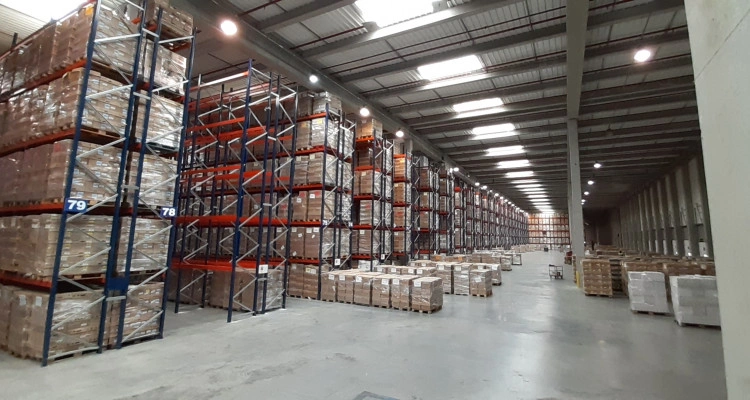
Over time, storage needs evolve. There are a number of warning signs that may indicate we are (or will be) facing changes that prevent us from getting the most out of our warehouse. For this reason, we must monitor the appearance of the following situations:
- Constant high occupancy. If our warehouse consistently operates above 80% capacity, we may face future overflows or issues with stock storage.
- Management failures. Due to excess stock or references, goods may cause problems both during storage and in the picking and order management processes.
It is essential to identify the root cause of the problem in order to correct it as soon as possible. In these cases, the issues are usually a need for more space, an outdated or inefficient warehouse layout, or an excess of stock that exceeds the warehouse’s capacity.
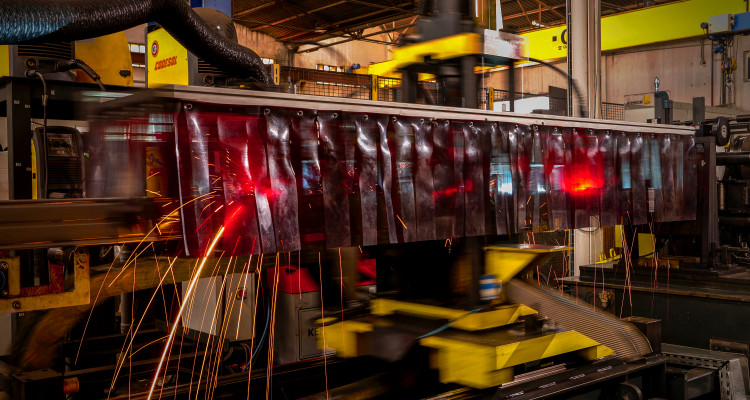
Once the problem is identified, we must implement the right solution to once again achieve the best possible performance from our warehouse.
- Redistribution of shelving or warehouse space. In many cases, we have the right tools at our disposal but are not using them effectively. When a warehouse is not performing as expected, conducting a productivity study is crucial. Rearranging resources and using them in the correct order is key to improving results.
- Use systems that allow you to maximize your space’s productivity. If your warehouse is performing well but you still need additional productivity, there are several improvements worth considering:
- Increase the number or height of shelving units.
- Add mezzanines to maximize available vertical space.
- Incorporate new systems tailored to your goods, such as a shuttle system that moves palletized goods for more efficient stock handling.